

Guided Prayer Journal vs Blank Notebook for Reflection
Last Updated: November 15, 2026
Quick Summary
A guided prayer journal suits readers who want prompts and a set structure, while a blank notebook suits those who want complete freedom over layout and content. Choose the guided version if you are new to prayer or need routine, and the blank version if you prefer free-form writing. Many people test one format for two or three weeks before committing.
- Guided journals provide prompts that reduce the blank-page problem on busy mornings.
- Blank notebooks let you write prayers, lists, or sermon notes in any layout.
- Start with a five-minute entry each morning and expand once the habit feels natural.
- Test a chosen format for two or three weeks before committing to it.
- Write the date at the top of each entry and revisit older pages once a month.
Table of Contents
- Guided Prayer Journal vs Blank Notebook: Side-by-Side Comparison
- How to Start a Prayer Journal and Choose Your Format
- Choosing Your Next Prayer Journal: Faith Prayer Journal or Ruled Notebook
- Frequently Asked Questions
Guided Prayer Journal vs Blank Notebook: Side-by-Side Comparison
Choosing between a guided prayer journal and a blank notebook for reflection comes down to how much structure you want each day. A guided journal gives you prompts to follow, while a blank notebook gives you open pages and complete freedom. Both formats can deepen a daily prayer life when matched to the right person.
A guided prayer journal is a notebook with built-in prompts, sections, or Scripture cues that guide each entry. A blank notebook has no prompts at all, so the writer sets every structure. Neither is better in every case, so the comparison below looks at what each format asks of you.
| Factor | Guided Prayer Journal | Blank Notebook |
|---|---|---|
| Structure | Prompts and sections set for you | You decide every layout |
| Time to start | Minutes, since prompts are ready | Longer, since you plan the format |
| Flexibility | Lower, follows the printed design | Higher, fits any style of writing |
| Best for | Beginners, structured routines | Experienced writers, free-form notes |
Guided journal pros:
- Prompts reduce the blank-page problem on busy mornings
- Easy to build a consistent habit
- Works well as a gift for someone new to prayer
Guided journal cons:
- Prompts can feel limiting after a while
- Less room for long, unstructured reflection
Blank notebook pros:
- Complete freedom to write prayers, lists, or sermon notes
- Fits any layout you invent
Blank notebook cons:
- Requires self-discipline to start and keep going
- Easy to skip days without a set structure
How to Start a Prayer Journal and Choose Your Format
Start with a format you will actually open. Most people do best when they pick one of two paths: a guided journal for structure, or a blank notebook for freedom. Begin with a five-minute entry each morning and expand only once the habit feels natural.
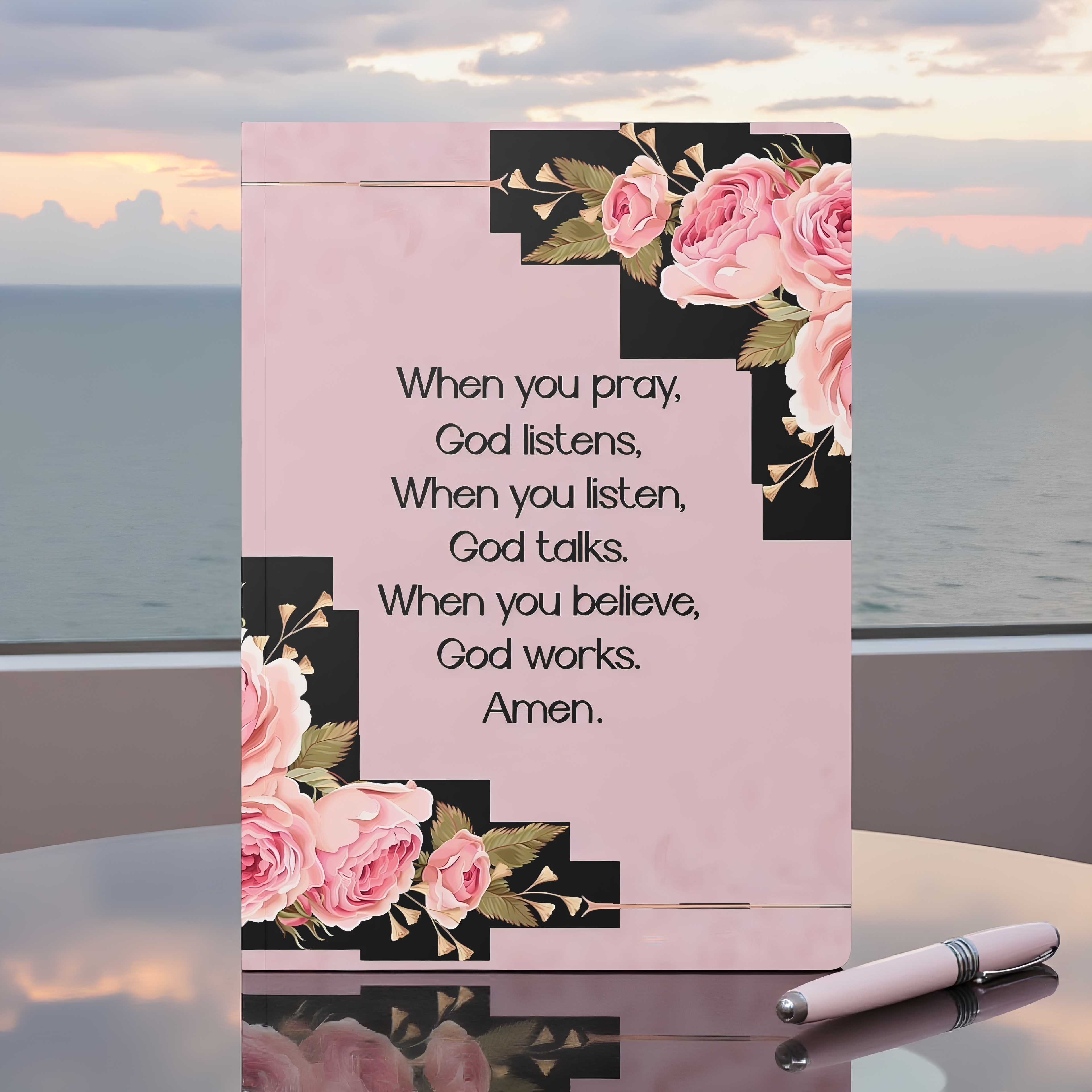
The Faith Prayer Journal, "When you pray, God listens" Floral Softcover Notebook, is a practical starting point for readers who want gentle structure. It has perforated 80 lb (120 gsm) pages and six customizable inner pages for names, dates, or prompts. It is priced at $25.60 and comes in a 100-page or 200-page edition. Shop the Faith Prayer Journal
Learn how to choose Christian stationery for your desk
Choosing Your Next Prayer Journal: Faith Prayer Journal or Ruled Notebook
If you want guidance with each entry, a guided prayer journal is the stronger choice. If you prefer open lines for notes, sermon takeaways, and freeform writing, a ruled notebook suits you better. Many readers test a format for two or three weeks before committing.
Before buying any faith-based set, it helps to read an independent comparison first. See our buyer's review of faith-based stationery sets
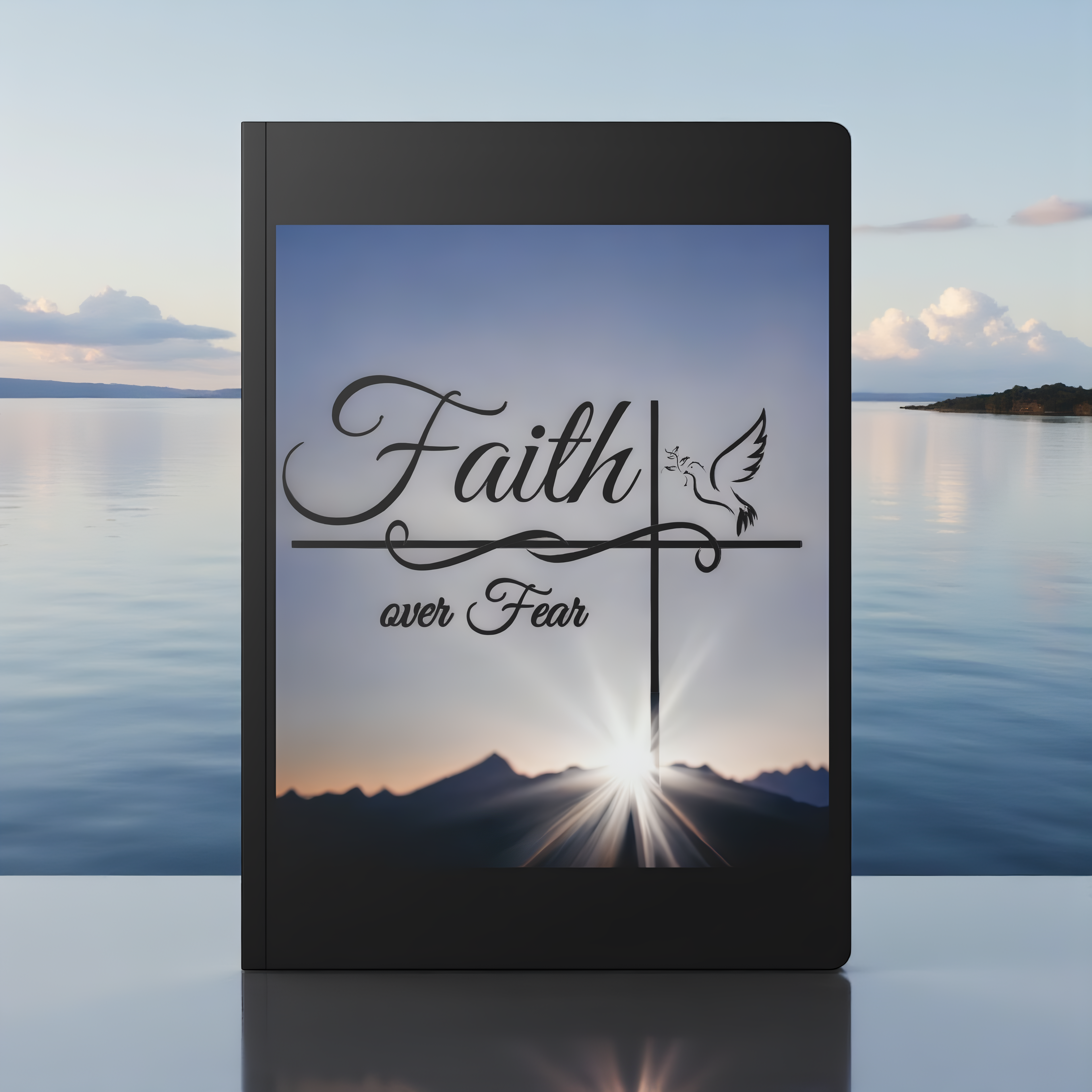
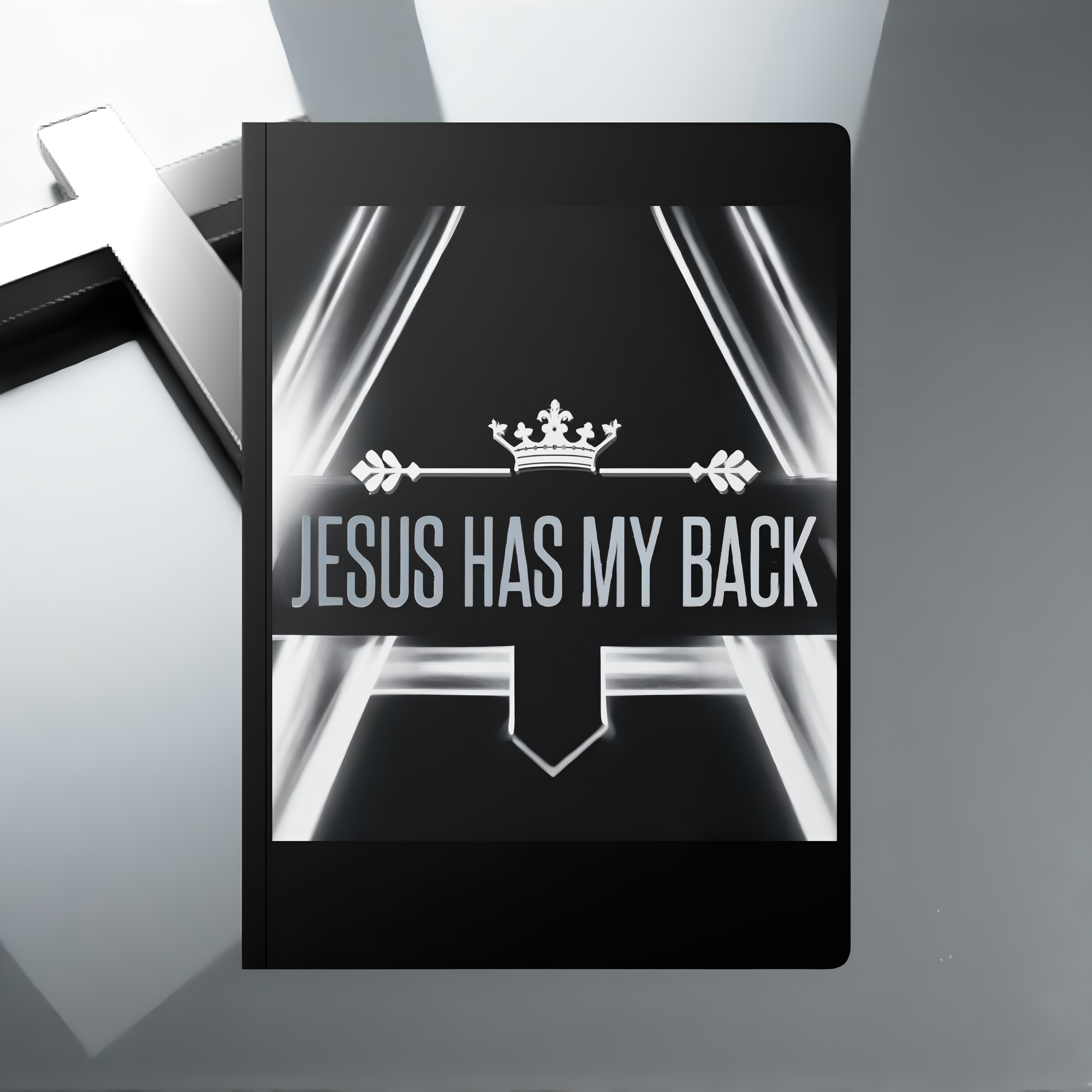
The Faith over Fear Notebook - Ruled Line offers 118 ruled pages in a spiral binding that opens easily for writing, which suits readers who want lined pages without prompts. Explore the Faith over Fear Spiral Notebook For a guided gratitude-focused option, the Jesus Has My Back Softcover Journal is another choice to compare. View the softcover gratitude journal
Whichever format you choose, write the date at the top of each entry and revisit older pages once a month.
Frequently Asked Questions
What is the difference between a guided prayer journal and a blank notebook?
A guided prayer journal includes prompts, headings or sections that suggest what to write, such as prayer requests, gratitude or Scripture reflections. A blank notebook has no structure, so you decide the layout and content each time. Guided journals suit people who want direction and a repeatable routine. Blank notebooks suit people who prefer freedom, longer entries or drawing and free writing. Neither is more spiritual; the better choice is the one you will actually open every day.
Is a guided prayer journal better for beginners?
For many beginners, yes. Prompts remove the pressure of deciding what to write, which makes it easier to build a daily prayer habit. The Faith Prayer Journal at $25.60 and the Christian Prayer Journal Hardcover at $28.00 both leave room for your own thoughts. Once you are comfortable, you can move to a blank page or combine both formats.
Can a blank notebook work as a prayer journal?
Yes. A blank notebook works well for people who want complete freedom, such as writing long prayers, recording answered prayers over time or sketching what they hear during quiet time. Use the first page to set a simple rule, like dating each entry and listing prayer requests on the left and praises on the right. The Faith over Fear Notebook at $25.60 offers 118 ruled pages.


